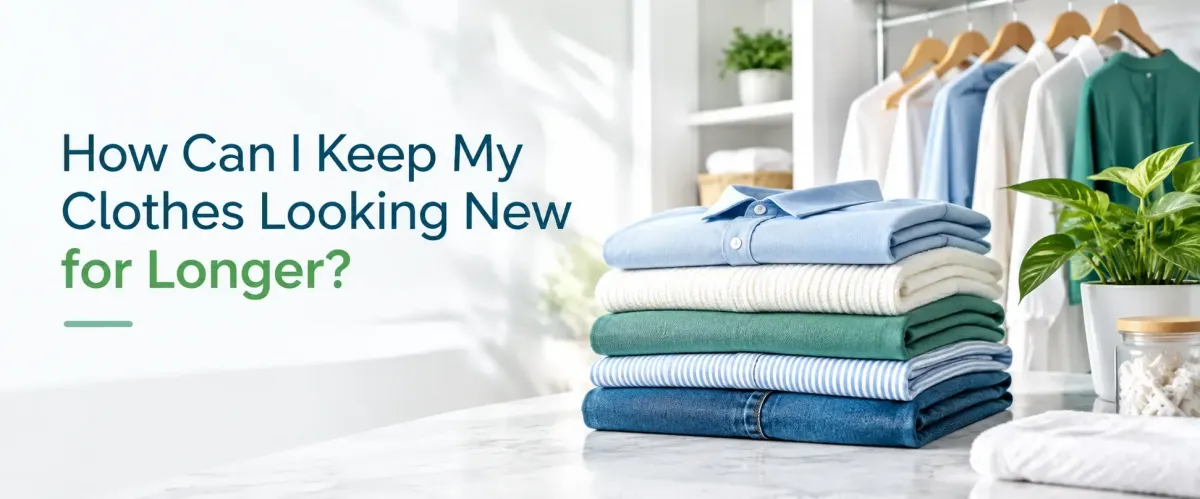
How to Keep Your Clothes Looking New for Longer
Buying good-quality clothes is an investment, but keeping them looking new requires more than simply washing them when they get dirty. Frequent washing, high temperatures, harsh detergents, improper drying, stains and even the way clothes are stored can gradually affect their color, shape and fabric quality.
The good news is that you don't need to completely change your routine to protect your wardrobe. A few simple habits can reduce unnecessary wear and help your favorite clothes stay fresh, comfortable and presentable for longer.
From following care labels to choosing the right washing cycle and knowing when to use professional cleaning, here's how you can take better care of your clothes.
Why Do Clothes Start Looking Old?
Clothing naturally experiences wear over time, but certain laundry habits can speed up the process.
Common causes of premature clothing wear include:
Washing clothes too frequently
Using excessive detergent
Washing at unnecessarily high temperatures
Overloading the washing machine
Using excessive dryer heat
Scrubbing stains aggressively
Mixing delicate garments with heavy fabrics
Ignoring care-label instructions
Storing clothes incorrectly
The goal isn't to avoid washing your clothes. Instead, it's to clean them in a way that removes dirt and odors while minimizing unnecessary stress on the fabric.
1. Always Check the Care Label
The care label is one of the easiest tools for protecting your clothes, yet it's often overlooked.
Before washing a garment, check its instructions for:
Recommended water temperature
Machine or hand washing
Suitable washing cycle
Drying instructions
Ironing temperature
Bleaching restrictions
Dry cleaning requirements
Different fabrics react differently to water, heat, detergents and mechanical agitation. Following the manufacturer's instructions helps reduce the risk of shrinking, fading, stretching or other damage.
2. Don't Wash Clothes More Than Necessary
Not every garment needs to go straight into the washing machine after one wear.
Items such as outer layers, jackets and some trousers may only need cleaning when they're visibly dirty, have absorbed odors or require freshening according to their care instructions.
Washing garments unnecessarily exposes them to additional water, detergent, friction and heat. Over time, repeated washing can contribute to fading and fabric wear.
For clothing that isn't visibly dirty or soiled, consider whether it actually needs a full wash before putting it in the laundry basket.
3. Separate Clothes Before Washing
Sorting laundry isn't just about preventing white clothes from turning gray. Separating garments by color, fabric and washing requirements can help protect them during the cleaning process.
Consider separating:
Whites and light colors
Dark colors
Delicate fabrics
Heavy garments
Towels and lint-producing items
Heavily soiled clothing
This allows you to select a more appropriate cycle for each group and reduces unnecessary friction between different types of fabric.
4. Turn Dark and Printed Clothes Inside Out
Turning certain garments inside out before washing can help protect the outer surface.
This is particularly useful for:
Dark-colored clothing
Graphic T-shirts
Printed garments
Embroidered clothing
Some denim items
The inside of the garment experiences more of the friction during washing, which can help reduce visible wear on the outside.
Always follow the garment's specific care instructions.
5. Use the Right Amount of Detergent
More detergent doesn't automatically mean cleaner clothes.
Using too much can leave residue behind, particularly if the washing machine doesn't rinse thoroughly. This residue may affect how fabrics feel and can contribute to buildup over time.
Use the amount recommended by the detergent manufacturer based on the load size and soil level. Using the right amount can help your clothes rinse properly without unnecessary product buildup.
6. Choose the Right Water Temperature
Hot water can be useful for certain washable items, but it isn't the best choice for every garment.
Excessive heat can contribute to:
Shrinkage
Color fading
Fabric damage
Loss of elasticity
Cold or cool water is appropriate for many everyday garments, while warmer temperatures may be recommended for specific fabrics or heavily soiled items.
Always prioritize the garment's care label rather than assuming that hotter water provides better cleaning.
7. Don't Overload the Washing Machine
It's tempting to fill the washing machine as much as possible to get through laundry faster. However, overcrowding can prevent clothes from moving freely.
An overloaded machine may result in:
Less effective cleaning
Poor rinsing
Increased wrinkles
Detergent residue
Greater friction between garments
Give clothing enough room to move during the wash cycle. Properly sized loads can improve cleaning while reducing unnecessary stress on fabrics.
8. Be Careful With the Dryer
Drying can have just as much impact on clothing as washing.
High heat may cause some garments to shrink, weaken elastic materials or contribute to fabric wear. For garments that allow it, air drying can be a gentler alternative.
When using a dryer, follow the garment's instructions and choose the appropriate temperature.
Removing clothes promptly after drying can also help reduce wrinkles and make ironing easier.
9. Treat Stains as Soon as Possible
A fresh stain is generally easier to address than one that has been sitting in the fabric for days.
When something spills:
Act as soon as practical.
Remove excess material carefully.
Blot instead of aggressively rubbing.
Use a stain-treatment method appropriate for the fabric.
Check the garment before drying it.
Avoid experimenting with harsh chemicals on delicate or expensive garments. Incorrect stain treatment can sometimes cause more damage than the original stain.
10. Avoid Aggressive Scrubbing
When a garment has a stubborn stain, it's natural to scrub harder. Unfortunately, aggressive rubbing can damage fibers and spread certain stains.
Instead, use gentle blotting and an appropriate cleaning method for the specific fabric.
For valuable, delicate or difficult-to-clean garments, professional cleaning may be the safer option.
11. Give Delicate Clothes Extra Care
Delicate fabrics shouldn't always be treated like everyday cotton clothing.
Depending on the care label, delicate garments may require:
Gentle washing
Cold water
Hand washing
Air drying
Low heat
Professional dry cleaning
Suits, formal wear, specialty fabrics, structured garments and other delicate clothing may benefit from professional handling.
This is where professional clothes cleaning services can be particularly useful. Experienced cleaners can select an appropriate cleaning and finishing process based on the garment and its care requirements.
12. Store Clothes Properly
Good laundry habits won't mean much if clothes are stored incorrectly.
Make sure garments are completely dry before storing them. Damp clothing can develop unpleasant odors and may encourage mildew.
For everyday clothing, fold garments that are better suited to folding and hang structured pieces that need to maintain their shape.
Avoid overcrowding your closet. Giving clothes enough space can reduce wrinkles and unnecessary friction.
13. Take Care of Your Washing Machine
Your clothes can only be as clean as the machine washing them.
Regularly maintaining your washing machine can help prevent detergent buildup, unpleasant odors and residue from transferring to clothing.
Follow the manufacturer's recommendations for cleaning and maintenance and avoid leaving wet laundry inside the machine for extended periods.
14. Know When Professional Cleaning Makes Sense
Home laundry is suitable for many everyday garments, but there are times when professional cleaning can make more sense.
Consider professional service when you have:
Delicate fabrics
Formal clothing
Business attire
Stubborn stains
Large laundry loads
Garments with specific cleaning requirements
Limited time for household laundry
Professional cleaning can also be convenient when you want to reduce the amount of washing, drying, folding and pressing you have to manage yourself.
How Professional Laundry Care Can Help Extend Clothing Life
Professional laundry services aren't simply about convenience. Proper garment handling can also help reduce avoidable wear.
A professional team can take factors such as fabric type, garment construction, stains and care instructions into account when cleaning clothing.
For customers who have busy schedules, using professional clothes cleaning services can also make it easier to maintain a regular laundry routine rather than allowing clothes to sit for long periods or rushing through cleaning at home.
The exact service required will depend on the garment, so care labels should always be considered before choosing a cleaning method.
Why Choose Claire Water Laundry?
At Claire Water Laundry, we understand that keeping clothes looking their best requires more than simply getting them clean. Different garments need different levels of care and the right cleaning approach can help maintain their appearance and condition.
Our laundry and garment-care solutions are designed to make clothing care more convenient for customers in Eau Claire. Whether you need everyday laundry handled or have garments that require additional attention, our team focuses on careful handling and dependable service.
For customers searching for the best laundry service in Eau Claire, WI, we're committed to providing convenient, professional laundry solutions that fit into busy everyday routines.
Conclusion
Keeping clothes looking new for longer starts with simple habits. Follow care labels, avoid unnecessary washing, use the right detergent and water temperature, separate garments properly and be careful with heat during drying.
Don't overlook the importance of stain treatment and proper storage either. Small changes in how you handle laundry can reduce unnecessary wear and help your favorite clothes stay in better condition.
And when a garment requires specialized care or you simply don't have the time to manage laundry yourself, professional cleaning can provide a convenient alternative.
With the right combination of everyday care and professional garment services when needed, you can keep your wardrobe looking fresh, clean and presentable for longer.
Frequently Asked Questions
How can I make my clothes last longer?
Follow the care label, avoid unnecessary washing, use the correct water temperature, don't overload the machine, limit excessive dryer heat and treat stains promptly.
Does washing clothes too often damage them?
Repeated washing can contribute to gradual fabric wear, fading and loss of shape. Wash garments when they actually need cleaning and always follow their care instructions.
Is cold water better for clothes?
Cold water is suitable for many garments and can help reduce the risk of shrinking and fading. However, the best temperature depends on the fabric and care-label instructions.
Does using too much detergent damage clothes?
Excess detergent can leave residue on fabrics and may make clothes feel stiff or cause buildup. Follow the detergent manufacturer's recommended amount.
When should I use professional clothes cleaning services?
Professional clothes cleaning services can be useful for delicate garments, formal wear, business clothing, stubborn stains, large laundry loads and items with specific cleaning requirements.
What is the best way to dry clothes?
Follow the garment's care instructions. Some clothes can be air-dried, while others can be tumble-dried using a suitable temperature. Avoid excessive heat unless the garment specifically allows it.
Why choose Claire Water Laundry?
Claire Water Laundry provides professional laundry and garment-care solutions in Eau Claire, helping customers simplify their laundry routines while giving their clothing careful, dependable care.